
Cart (0)
No products in the cart.

Choosing the right packaging can help protect products in transit, manage shipping costs and give customers a better delivery experience. Two common options are courier bags and corrugated boxes. Each works well in different situations: courier bags are flexible and lightweight, while corrugated boxes provide structure and cushioning space.
So, when should you use each? The answer depends on what you’re shipping, how fragile it is and how much protection it needs.
Courier bags are flexible shipping bags, often made from plastic or other water-resistant materials. Many have a self-adhesive strip for sealing. Some styles include a built-in pocket for a shipping label or document.
They’re commonly used for products that are lightweight, flexible and unlikely to break or lose their shape during delivery.
Corrugated boxes are made from layers of paperboard, including a fluted inner layer that helps provide rigidity and cushioning. They come in different sizes and strengths, making them useful for products that need a firm outer container.
Boxes also leave room for protective materials such as bubble wrap, paper or other cushioning around the product.
| Consideration | Courier bags | Corrugated boxes |
|---|---|---|
| Shape | Flexible | Holds its shape |
| Weight and storage | Usually lightweight and easy to store flat | Takes up more storage space, especially when assembled |
| Best suited for | Soft, flexible, non-fragile products | Fragile, rigid, bulky or shape-sensitive products |
| Cushioning space | Limited | Room for protective material |
| Weather protection | Many styles help protect against moisture and dust | The box provides an outer shell; additional protection may be needed in wet conditions |
| Branding and presentation | Can be simple and convenient | Offers a larger surface for labels, inserts or branded packaging |
The right choice is the lightest packaging that still protects the product properly.
Choose a courier bag when the product is lightweight, flexible and does not need a rigid outer shell. For example:
Before using a bag, check that the product can handle pressure and handling during transit. A courier bag may protect an item from dust and light moisture, but it does not provide the same crush protection as a box.
For products with sharp edges, use suitable inner packaging so they do not puncture or tear the bag. Seal the bag securely and make sure the shipping label is firmly attached and easy to read.
Choose a corrugated box when the product needs a rigid outer layer or when you need room for cushioning. Boxes are usually a better fit for:
Select a box that fits the item with enough space for protective material. A box that is too small may leave no room for cushioning, while an oversized box can allow the product to move around. Secure the product inside and close the box with suitable packaging tape.
Yes. Combining a courier bag and a box can add an extra outer layer when the shipment needs it. For example, a boxed item might be placed inside a suitable bag to help keep the outside clean and dry. The inner box protects the product’s shape; the outer bag provides an additional layer.
You can also use protective material inside a corrugated box to reduce movement and cushion the product. The amount of protection should match the product’s fragility and the journey it will make.
Ask these questions before packing an order:
If you’re unsure, pack a sample and check whether the product shifts or shows signs of damage after normal handling. For valuable or fragile items, follow the carrier’s packaging requirements too.
Use a courier bag for lightweight, flexible products that do not need a rigid shell. Use a corrugated box for products that are fragile, rigid, bulky or need space for cushioning. When a shipment needs extra protection, combine packaging types and secure the product inside.
Good packaging starts with understanding the product. Choose a suitable size, protect the item from movement and make sure the parcel is properly sealed before dispatch.
MM WILL CARE offers corrugated boxes and other packaging materials for shipping and business needs. Explore the available options and choose packaging that suits your products and dispatch requirements.
Generally, a courier bag alone is not enough for fragile products because it does not provide a rigid protective shell. Use a corrugated box with suitable cushioning for breakable items.
Neither is best for every shipment. Corrugated boxes provide structure and room for cushioning. Courier bags are lightweight and work well for flexible, non-fragile products.
Yes, if the bag is an appropriate size and can be sealed securely. The box protects the product’s shape, while the bag adds an outer layer.
Choose a box that fits the product with enough room for cushioning, but not so much room that the product moves freely. Secure the item inside before sealing the box.
Many courier bags are designed to resist moisture, but protection depends on the bag material, seal and exposure. For products sensitive to water, use suitable inner protection as well.
Share:
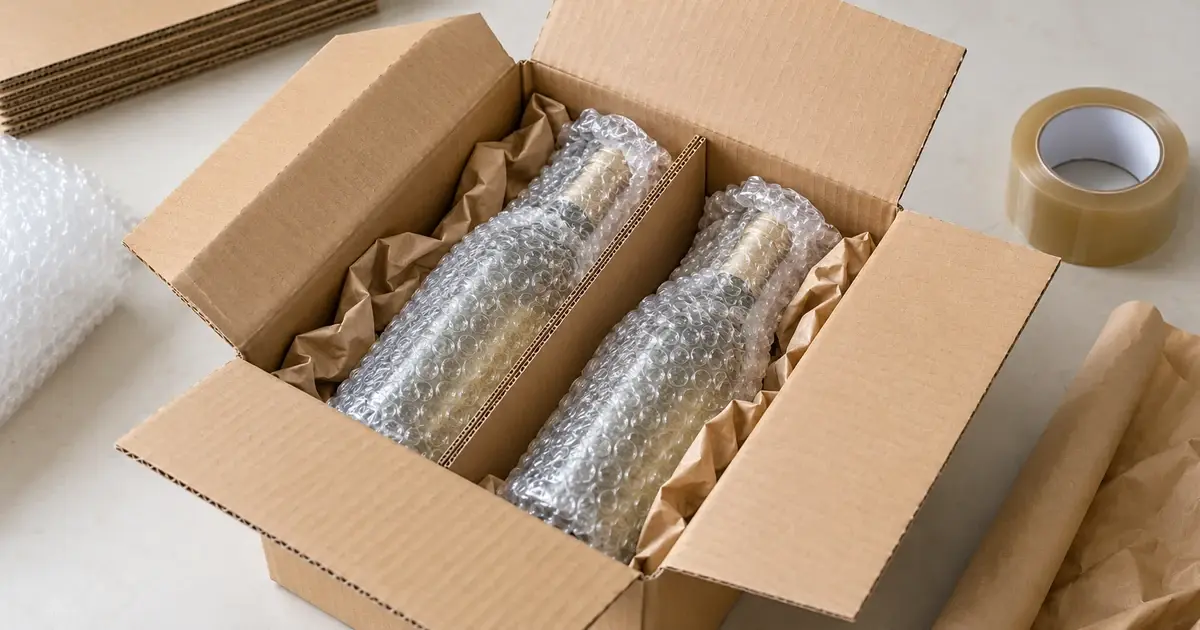
Learn how to wrap, cushion, separate and seal glass bottles so they are better protected during courier shipping. This s...
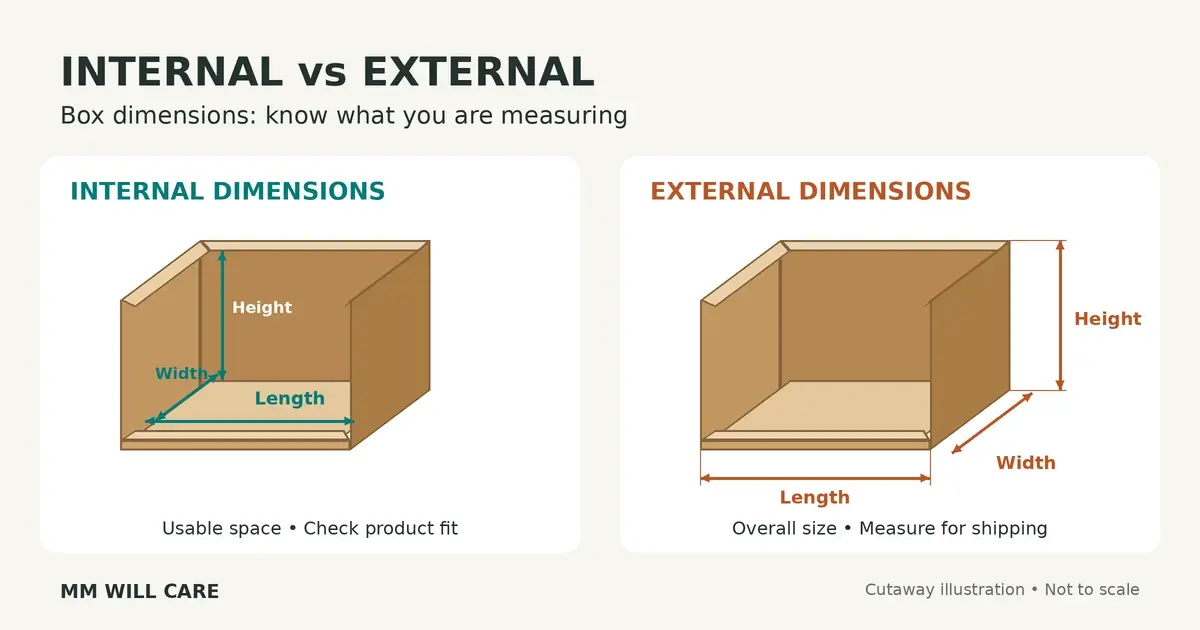
Choosing the right box starts with understanding its measurements. Learn the difference between internal and external bo...
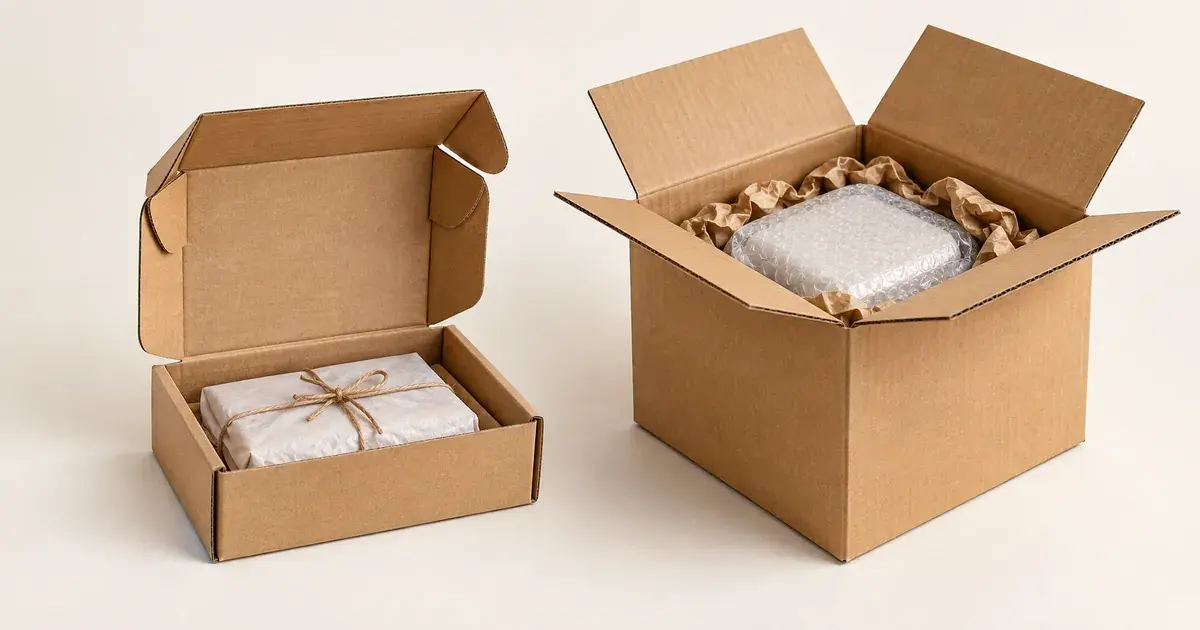
Choosing between a self-lock mailer box and a regular shipping box? Learn how each works, where each fits best, and what...
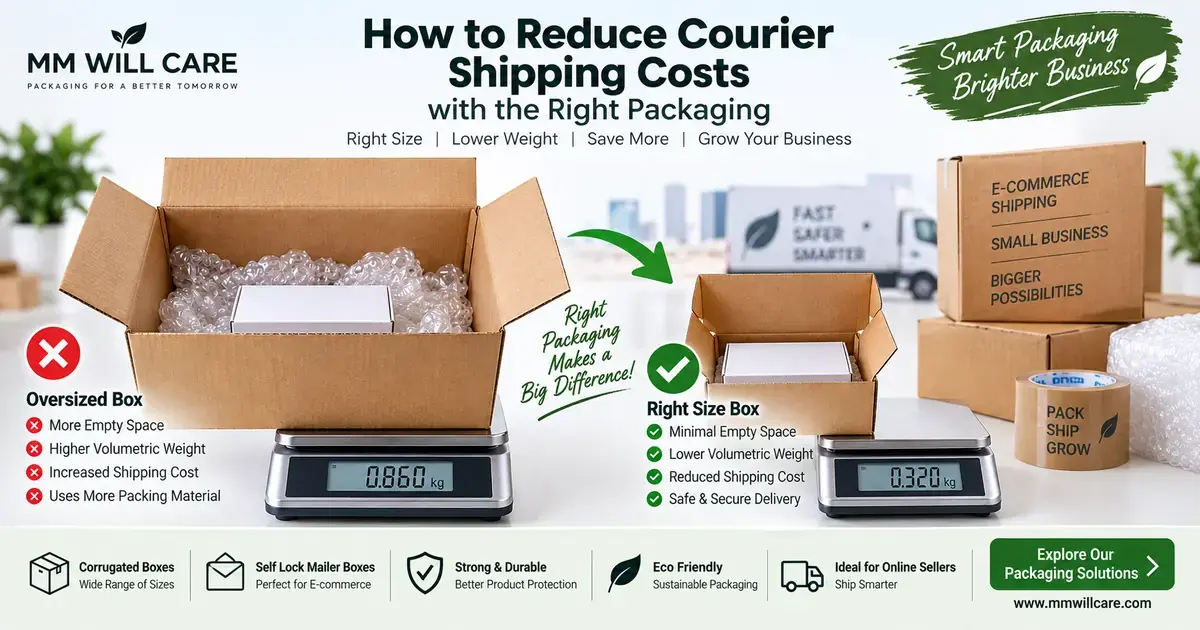
Courier charges can significantly affect the profitability of an e-commerce business. Choosing the right packaging size,...